Case Study - Atlas: Travel Planning Platform
- Name
- Atlas
- Date
- Service
- Web development & AI Integration

Overview
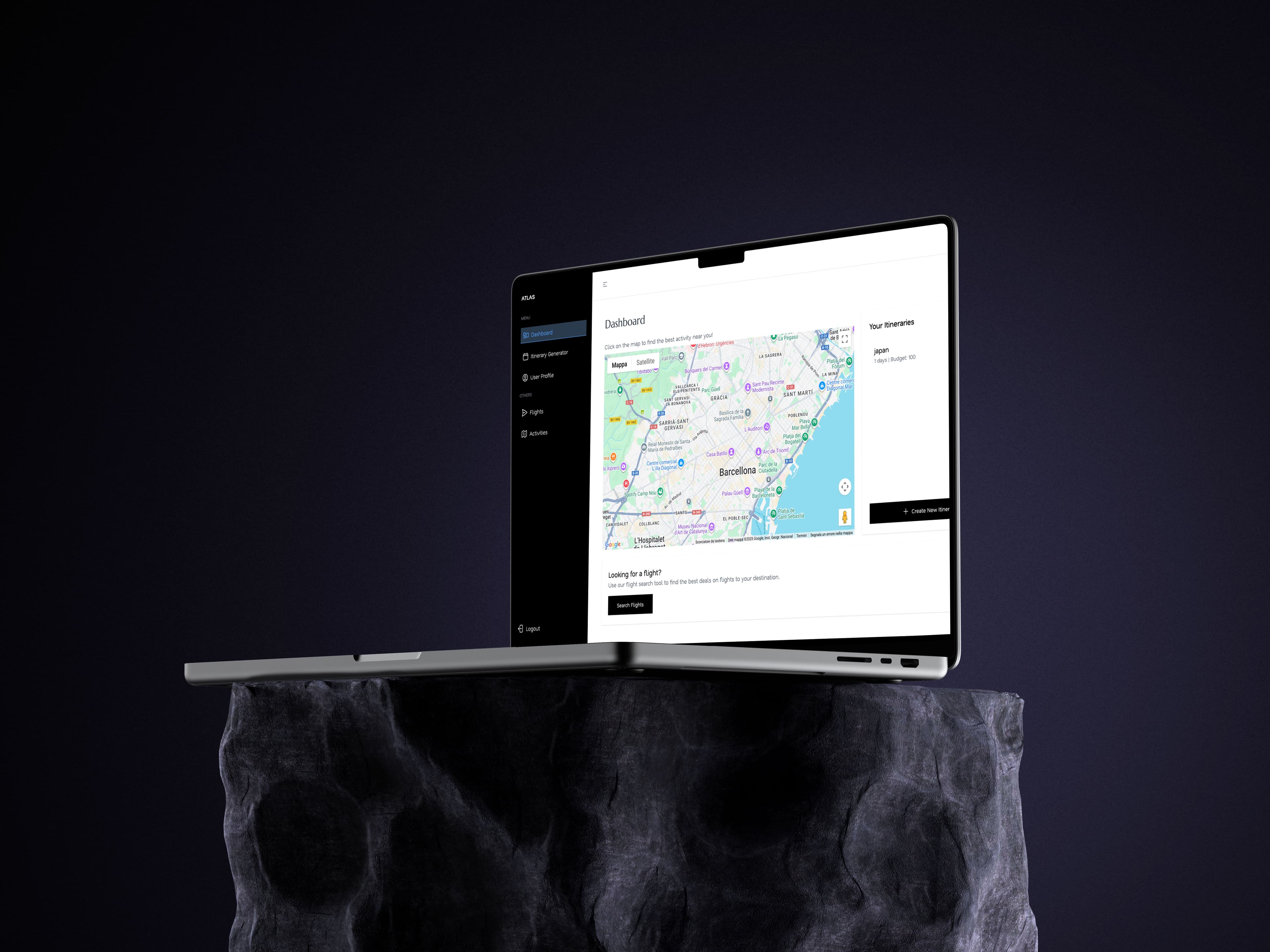
Atlas is a modern travel planning platform designed to simplify the process of organizing trips, booking flights, and discovering activities.
The platform provides a seamless, AI-powered experience for users to create personalized itineraries while leveraging interactive maps and real-time travel data.
It integrates both frontend and backend technologies to ensure a fast, responsive, and secure user experience, while connecting with external APIs for flights, activities, and AI-driven recommendations.
Technologies
Frontend
- React
- Vite
- Tailwind CSS
- Flowbite
- Headless UI
- Heroicons
- React Router DOM
- Google Maps API
- Google OAuth
- Axios
- date-fns
- React Context API
Backend
- Java 21
- Spring Boot 3
- Spring Security (JWT + Google OAuth)
- Amadeus
- PostgreSQL
- Groq
- OpenAI
- Supabase
Tools
- Google Mail API
- Maven
- Render
- Vercel
- Docker
Problem Statement
Travel planning can be overwhelming, with multiple sources to check for flights, activities, and accommodations.
Users often struggle to create efficient itineraries that match their preferences and schedules.
The challenge was to build a platform that consolidates this information and offers smart recommendations to enhance the travel experience.
Deploy faster
Solution
Atlas integrates a React frontend with a Spring Boot backend to deliver a fast, responsive, and secure application. Key features include user authentication, flight and activity booking, itinerary management, interactive maps, and AI-powered recommendations.
- User Authentication.
- Secure login and registration via JWT and Google OAuth, with password reset functionality.
- Flight & Activity Booking.
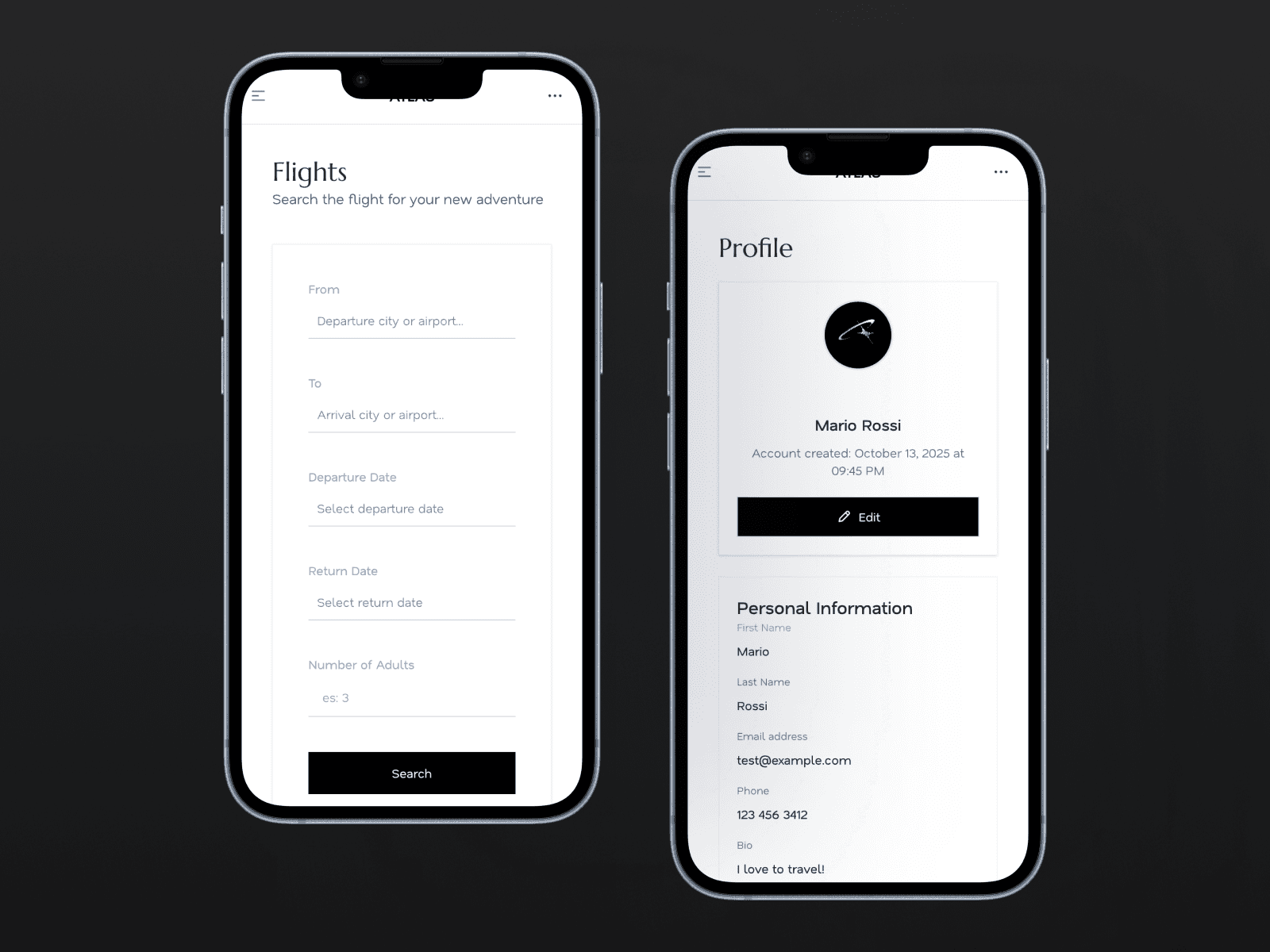
- Integration with Amadeus API to provide up-to-date flight and activity data.
- Itinerary Management.
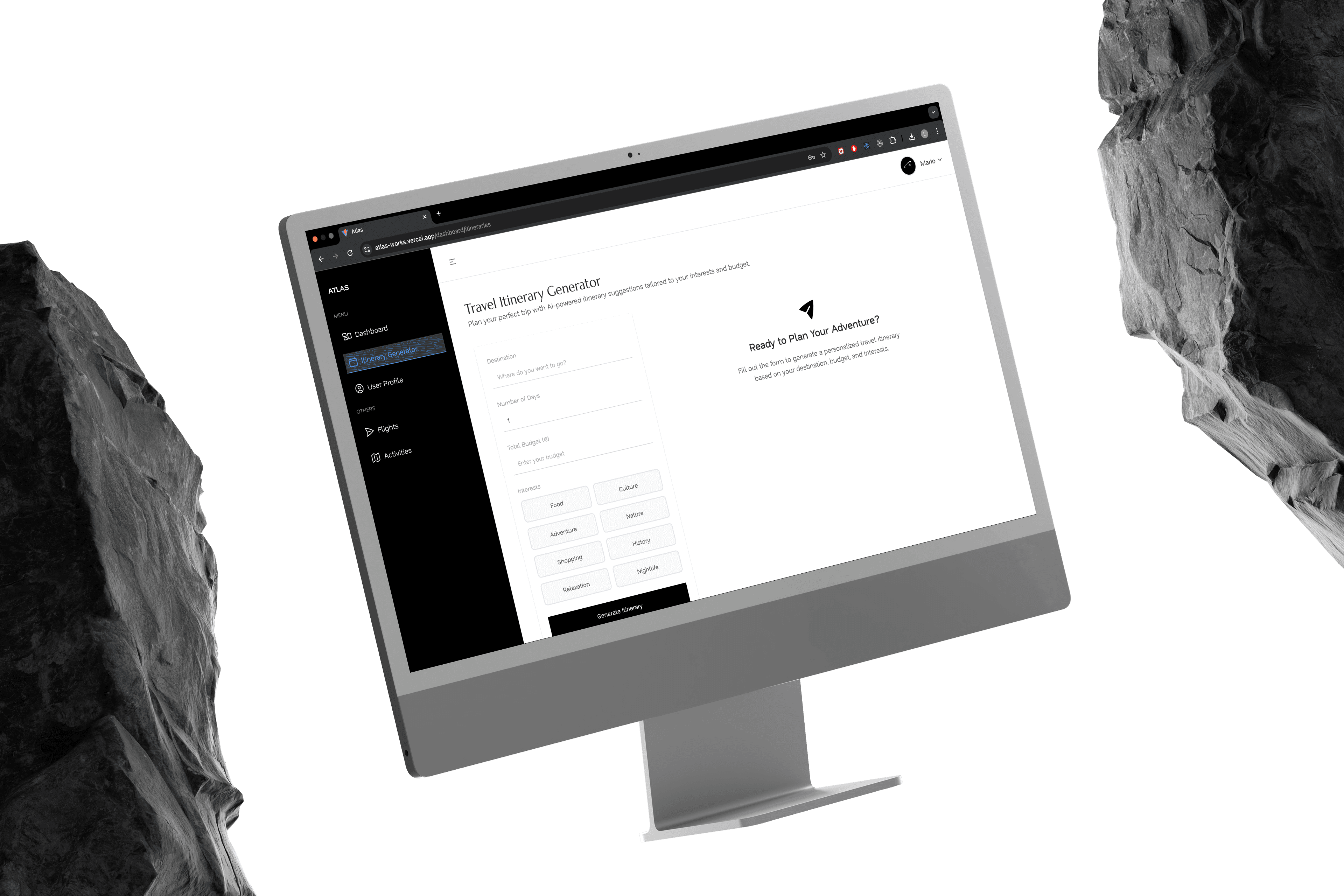
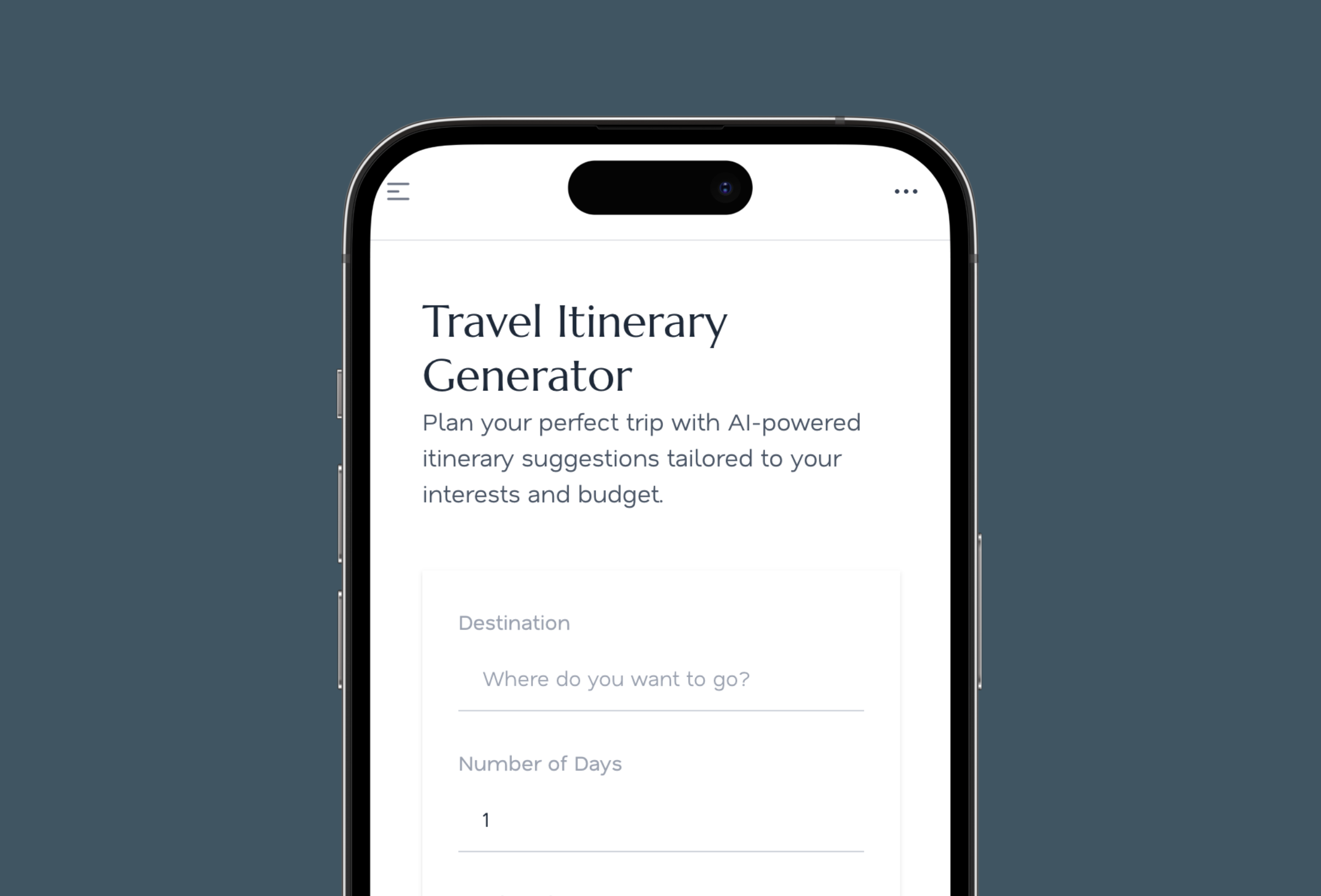
- Users can create, edit, and manage personalized itineraries with an intuitive interface.
- Interactive Maps.
- Google Maps integration allows users to visualize destinations and activities.
- AI-Powered Recommendations.
- Groq + OpenAI provide smart travel suggestions based on user preferences.
- Legacy AI Module.
- Initially, AI suggestions were handled locally via Python + Ollama Mistral exposed through Flask endpoints, serving as a prototype before migrating to cloud-based AI services.
- File Storage.
- Supabase integration allows users to upload and manage images securely.
Deploy faster
Technical Highlights
Frontend
React 18, Tailwind CSS, Vite, Flowbite, Headless UI, Heroicons, React Router DOM, Axios, date-fns, React Context API, deployed via Vercel.
Backend
Java 21 with Spring Boot 3, PostgreSQL database, secure JWT-based authentication, Google OAuth integration.
AI Integration
Transition from local Python + Ollama Mistral setup to Groq + OpenAI for scalable AI-driven itinerary recommendations.

Deployment & DevOps
Backend deployed via Render, containerized with Docker for maintainability and scalability.
Outcome
Atlas evolved into a fully functional, secure, and scalable travel planning platform, delivering a seamless experience from trip inspiration to booking.
The integration of AI-driven features significantly enhanced itinerary accuracy and user engagement, turning static planning into an intelligent, personalized process.
Throughout development, the project demonstrated how diverse APIs, cloud services, and AI models can come together to build a cohesive full-stack solution.
Its modular architecture ensures long-term scalability, making it easy to extend the platform with new capabilities such as activity discovery and real-time travel recommendations.
Learnings
Throughout the development of Atlas, I expanded my technical and architectural understanding of full-stack applications, deepening my experience with modern frameworks, authentication, and AI integration workflows. The project became a cornerstone for improving both my problem-solving and system design capabilities.
Full-Stack Integration
This project strengthened my full-stack development skills, particularly in connecting a React frontend with a Spring Boot backend for seamless data flow and consistent user experiences.
Secure Authentication & Cloud Storage
I gained practical experience implementing secure authentication with JWT and Google OAuth, while managing cloud-based file storage and user data efficiently through Supabase.
AI Integration Workflow
Working on the AI component allowed me to explore multiple integration strategies — beginning with local experimentation using Python and Ollama Mistral, and transitioning to scalable, production-ready solutions powered by Groq and OpenAI.
Modular Architecture & Maintainability
I learned to design modular, maintainable, and performant web applications that can evolve over time, supporting new features and technologies without compromising stability.